


The Power of Micro‑Influencers: Why Smaller Voices Are Winning Big
In a media landscape crowded with celebrity spokespeople and massive follows brands are discovering that the question of what is a microinfluencer may hold the answer to more authentic connection, higher engagement and better return on investment. Micro‑influencers creators with modest followings who speak intimately to niche audiences are emerging as strategic allies for brands ready to cut through the noise. This article will unpack why micro influencers matter, how to find them, how to build campaigns that work and how smaller voices are proving their power. Let’s dive in.
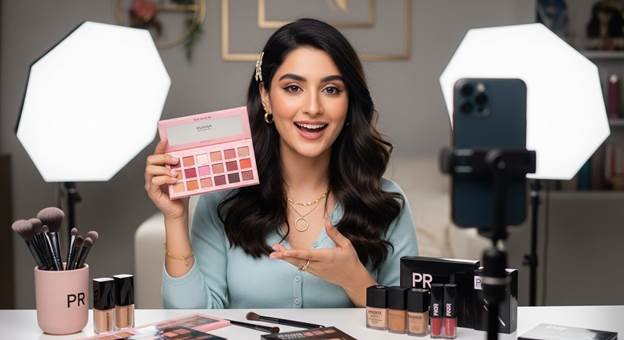
Why Smaller Creators Are Gaining Influence
The micro‑influencer definition and why it works
A microinfluencer is typically defined as someone with 10,000 to 100,000 followers who has built a strong, niche, trusted community. Unlike macro‑ or mega‑influencers, micro‑influencers tend to have more personal relationships with their followers, higher engagement rates and often more defined interests. These qualities make them appealing for brands seeking meaningful connections rather than sheer reach.
Recent benchmark reports reinforce this shift: brands are working with 33 % more micro‑influencers year over year. Micro‑influencers also dominate short‑form video content, with 87 % of requested content from them being Reels or TikTok’s.
These trends show that smaller creators are not just a cheaper version of big names they offer something distinct: authenticity and actionable engagement.
Authenticity and niche relevance
According to a systematic review, micro‑influencers offer traits like transparency, consistency and social presence that build trust and attachment with their audience. In practice this means their recommendations feel more like dialogue than advertisement. For brands, this can result in higher relevance and resonance among target demographics.
Cost‑effectiveness and content scalability
Because micro‑influencers generally charge less than celebrity creators, brands can afford to engage more of them across different niches. For example, micro‑influencers on Instagram might charge around $10–20 per 1,000 followers, making campaigns more accessible.
Additionally, brands are repurposing micro‑influencer content into paid ads (e.g., TikTok Spark Ads) to extend lifespan and reach.
Together, cost‑effectiveness and content scalability make micro‑influencer strategies increasingly attractive.
Example:
- Reach vs engagement: A micro‑influencer with 25,000 followers may drive more meaningful actions than a mega‑influencer with 1 million followers because of tight community ties.
- Campaign layering: Brands can engage multiple micro‑influencers in parallel to reach sub‑segments, boosting overall campaign agility.
How Brands Benefit from Micro‑Influencer Campaigns
When brands ask why work with micro influencers, several key benefits emerge.
Targeted niche reach and high relevance
Because micro‑influencers often operate within a niche such as eco‑skincare lovers, DIY craft fans or local travel enthusiast’s brands can zero in on highly relevant audiences rather than blasting mass groups.
For example, a clean‑beauty brand might partner with a skincare micro‑influencer whose followers already care about ingredient transparency. This alignment strengthens message credibility.
Out of industry reports: micro‑influencers in the beauty and personal‑care sector are especially effective for product trial and conversion.
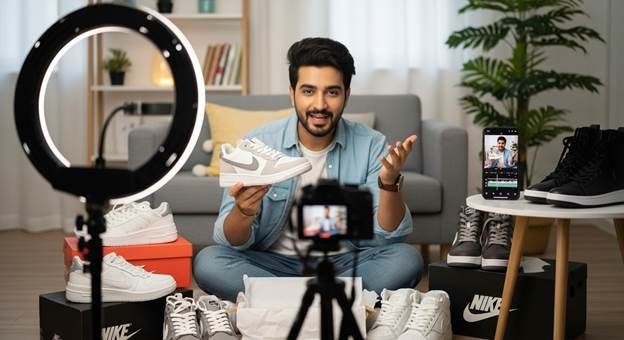
Higher engagement and trust‑driven actions
Benchmarks show that smaller creators often outperform larger ones in engagement rates and cost‑effectiveness.
Trust matters more than follower count. When the creator’s audience believes in the recommendation, activation is stronger.
With conversion as a goal, brands can leverage micro‑influencers to drive traffic, use unique discount codes or create user‑generated content (UGC) that resonates beyond the initial post.
Finding and Working with the Right Micro‑Influencers
Brands often struggle with how to find micro influencers, which brands work with micro influencers and what to look for in micro influencers. Here’s a guide.
Step‑by‑step approach
- Define campaign objectives: Are you targeting awareness, conversion, content creation or geographic expansion?
- Identify your target audience and niche: Use data to understand user interests, platform behaviours and values.
- Discover potential creators
- Hashtag research (e.g., #minimalistHomeDIY)
- Competitor influencer lists
- Influencer‑platform tools and micro‑influencer agencies
- Evaluate creators
- Engagement quality: Are comments meaningful or generic?
- Audience match: Do followers align with your ideal customer?
- Content style and values: Does the creator’s voice feel authentic?
- Avoid red flags: Sudden spikes in followers, low interaction rates or misalignment.
- Structure the collaboration
- Provide a creative brief but allow autonomy
- Choose high‑impact formats: tutorials, unboxings, day‑in‑the‑life, authentic reviews
- Set deliverables: post formats, timelines, hashtags, FTC disclosure
- Measure success and repurpose content
- Track engagement, reach, conversions (promo codes, links)
- Identify high‑performing content and amplify it via paid ads or owned channels
“Reaching the right people often matters more than reaching the most people. That’s where micro‑influencers come in.”.
Practical Tips for Running Micro‑Influencer Programs
Here are actionable strategies to get the most out of your micro‑influencer campaigns:
- Tip 1: Set clear, measurable objectives. For example: “Acquire 150 email subscribers via influencer promo codes” rather than “increase awareness”.
- Tip 2: Budget strategically. Instead of one big creator, spread budget across 5–10 micro‑influencers in different niche segments.
- Tip 3: Use the right content formats. Prioritise short‑form video (20‑40 seconds) for Reels/TikTok as this format is highly requested 74 % drop in static posts year‑over‑year.
- Tip 4: Repurpose influencer content into brand assets. Use creator reels in paid ads or on your website to maximize ROI.
- Tip 5: Build long‑term relationships. Treat micro‑influencers as brand advocates rather than one‑off contributors; this increases loyalty and authenticity.
By applying these tactics, brands can make micro‑influencer marketing not just a buzzword but a scalable, results‑driven channel.
Table: Quick‑View Insights
| Key Insight | Why It Matters |
| Micro‑influencers = 10K‑100K followers | Defines category and target creators |
| Higher engagement + lower cost | Better ROI than many macro‑influencers |
| Short‑form video dominates content requests (87 %) | Aligns with platform trends |
| Focus on creator‑audience value alignment | Authenticity drives performance |
Final Thoughts
If you’ve asked what a microinfluencer is and wondered whether the strategy is right for your brand, the evidence is clear: smaller voices are not just more cost‑effective, they can be more impactful. By tapping into niche communities, building authentic partnerships, leveraging performance content and measuring thoughtfully, brands can make micro‑influencer marketing a powerful channel for growth. As the creator economy evolves, the question becomes less about how many followers are and more about how strong the connection. Ready to explore this for your brand? Contact your team at NeemoPani Agency and let’s get started.
FAQs
What is a microinfluencer?
A micro influencer is a creator with roughly 10,000 to 100,000 followers who tend to have strong engagement and niche audience focus.
How can I benefit from micro‑influencer marketing?
You can reach highly engaged niche communities, amplify authentic content, scale cost‑effectively across multiple creators and repurpose influencer assets into paid channels.
How many followers qualifies as micro influencer?
While definitions vary, the widely accepted range is around 10K to 100K followers for micro‑influencers.
How do I find micro influencers?
Use methods like hashtag research, competitor analysis, social‑listening tools or micro‑influencer platforms/ agencies to discover creators aligned with your brand.
Why choose micro influencers over macro influencers?
Micro‑influencers often deliver higher engagement, more niche relevance and better return on investment for many campaigns compared to macro influencers.
Visit NeemoPani Agency for more insights and to craft your next influencer‑marketing success story!
